
Have you ever tried closing your eyes in a lucid dream? Those who have probably know that it is an effective way to end a lucid dream. In fact, it can be a practical trick to wake up from a lucid nightmare.
When you close your eyes, the dream disappears almost instantly. You then open your physical eyes in bed.
But why does this happen? Why do you wake up after closing your eyes in a dream?
Losing the Visual Anchor
In the waking world, closing your eyes is not a big deal. You still feel the ground under your feet, hear the room around you, and know exactly where you are. But in a lucid dream, the rules of sensory input are completely different.
Your physical body is under REM sleep paralysis. Because you lack real physical feedback, the dream relies almost entirely on your vision to keep you locked inside the experience. Vision is the primary anchor holding the dream together.
As long as you are actively looking at things—a wall, your hands, the sky—your brain is forced to focus on the dream. The moment you close your dream eyes, you abruptly cut off that main sensory feed. The dream goes entirely black. You suddenly leave your brain with absolutely zero visual data to process.
Senses of The Physical Body Override
Your brain constantly demands sensory information to know where you are. When the visual input from the dream suddenly drops to zero, your mind is left in a void. It immediately starts searching for the next available signal to ground itself.
Right at that moment, the strongest and most accurate piece of data available is the physical sensation of your actual eyelids resting shut. You might suddenly feel the pillow against your face or the heavy sensation of your real body lying in bed.
As detailed in a 2014 study on virtual reality and consciousness inference in dreaming, when physical sensory data reaches the brain, the process is sequential. First, the new input conflicts with the closed internal model generated by the dream, creating a sensory prediction error. Second, the brain must update its generative model to process this external data and ensure accurate perception. This update forces a shift to processing external sensory input. The shift overrides the dream, breaks the sleep paralysis, and wakes you up.
How to Ground the Dream Instead
If you get too excited or the dream starts fading, never close your eyes. Do the exact opposite. Use dream stabilization techniques.
You have to force your brain to focus so hard on the dream environment that it completely ignores your physical body in bed.
Instead of closing your eyes, stare directly at the ground. Look closely at the texture of the floor or examine the lines on your own hands.
Then, rub your hands together. This creates kinetic friction and forces your brain to process physical touch happening inside the dream, rather than in your real bed.
The goal is simple. Feed your brain so much sensory input from the dream that it completely forgets your real body even exists.



How to Learn Lucid Dreaming? – best resources
🎧 What to read next?
If you want to master lucid dreaming, I recommend starting with the these books. (Transparency: This section contains affiliate links to tools I personally use and trust.)
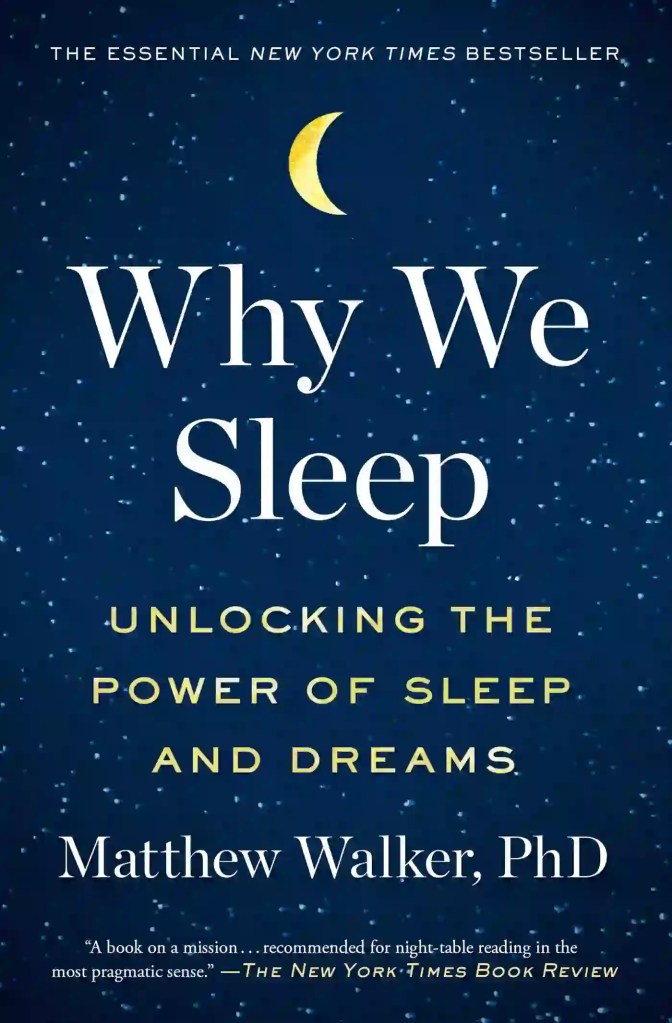
Why We Sleep, Surely the greatest book about sleep!

Exploring the World of Lucid Dreaming, Bible of Lucid Dreaming!
Lucid Dreaming: Gateway to the Inner Self, To become the Lucid Master!
Tip: You can currently get all of these books via this Audible deal (3 months for $0.99/month). It’s almost free too!
✨ The Best Silk Pillowcases and sheets!
Promeed Official Store: Promeed offers premium 6A+ Mulberry silk bedding designed to regulate temperature and reduce friction, ensuring your REM sleep remains as deep and uninterrupted as possible.
 Likely Dreaming | Exploring Dreams & Sleep
Leave a comment