
You hear your alarm. You get out of bed, walk to the bathroom, and turn on the light. Everything feels completely normal. Then, your eyes snap open. You are back in bed.
This is a false awakening. People often call it a dream within a dream. Movies sold us the idea that you can drop into deeper levels of sleep, moving from layer to layer. It is a cool concept, but biologically, there are no layers.
A false awakening is just a scene change. Your brain transitions from a standard dream into a dreamed version of your bedroom, or wherever you happen to wake up in the dream. Your physical body is still paralyzed in REM sleep, but your mind expects to wake up, so it actively renders your morning routine for you. That is the reason why false awakenings often include you starting your morning very ordinarily, and therefore, they might even feel super real.
It might even be frustrating and can trap you in a confusing loop of waking up over and over again. But once you understand the mechanics, it stops being a trap. In fact, a false awakening is the absolute easiest backdoor into a highly stable lucid dream.
Here is what is actually happening in your brain.
Two Types of False Awakenings
In 1968, researcher Celia Green classified false awakenings into two distinct categories. Understanding which one you are experiencing is the first step to controlling it.
Type 1: Unrealistic Environment
You wake up in your bed, but something is off. The lighting is unusually dim or green. The door is on the wrong wall. Maybe you are sleeping in a house you moved out of ten years ago. These are easy to spot. The brain is not trying to build a perfect replica. It is simply throwing together a functional room based on the expectation of waking up.
Type 2: The Perfect Replica
This is the dangerous one. It is a 1:1 replica of your actual bedroom. The lighting matches the time of day. You can feel the texture of your blanket and hear the traffic outside. Because the replica is close to flawless, you have no reason to question reality. You get up, start making coffee, and then suddenly snap back to your bed.

The Science: Why Your Brain Fakes Morning
Why does the brain do this? It comes down to anticipation.
False awakenings usually happen when you are stressed about waking up. You might have an early flight, an important meeting, or a fear of sleeping through your alarm. Your brain is anticipating the act of waking up.
During REM sleep, your body is under sleep paralysis (atonia) to stop you from acting out your dreams. When your mind is highly active but your body is still paralyzed, the brain resolves this conflict by simply simulating the awakening. It is an expectation engine. You expect to get out of bed, so it renders the experience for you in the dream space.
Again, you are not dropping into a deeper sleep layer. The dream simply changed its scenery from whatever you were dreaming about directly to your bedroom. My personal experiences with false awakenings are often correlated with an important and a bit unusual reason that I’ve had to wake up for the next morning. For example, catching an early train or waking up for an exam.
The False Awakening Loop
If you have experienced a Type 2 false awakening, you have probably experienced the loop. You wake up, realize it is a dream, and try to force yourself awake. But instead of waking up in the real world, you just “wake up” in bed again.
This Groundhog Day effect happens because the brain panics. You realize the simulation is fake and demand to wake up. But the REM paralysis has not worn off yet. Since the brain cannot move the physical body, it just hits the reset button and re-renders the bedroom.
People can get stuck in this loop five or six times in a row. It feels exhausting, but it is just a biological misfire. When I was in high school, one morning my friend came to school pissed off about having to brush his teeth six times. He had experienced a really hard false awakening loop
How to Break the Loop
When you realize you are stuck in a false awakening loop, your instinct is to fight it. You try to pry your physical eyes open or jerk your body. Stop doing this. Fighting the paralysis often leads straight into sleep paralysis hallucinations, which is a miserable experience.
Instead, use a reality check.
Do not use the pinch test. Your brain is perfectly capable of simulating physical pain in a dream, so pinching yourself proves nothing. Use tests based on logic and biology:
- The Nose Pinch: Pinch your nose shut and try to breathe through it. In a false awakening, your physical body is still breathing normally in bed. You will be able to breathe clearly through your pinched dream nose.
- The Digital Clock: Look at a digital clock, look away, and look back. The logic centers of the brain are offline during REM sleep. The numbers will scramble, change entirely, or display impossible symbols.
How to Turn False Awakening into Lucid Dream
Here is the perspective shift. A false awakening is not a trap. It is a free ticket.
Most lucid dreamers struggle to stabilize their dreams. Environments collapse, visuals get blurry, and they wake up. But a false awakening provides a pre-rendered, highly stable environment. Your brain knows your bedroom perfectly. The rendering load is incredibly low.
The next time you wake up and realize the clock is melting or you can breathe through a pinched nose, do not try to wake up. You are already lucid in a rock-solid simulation.
Just get out of bed, walk through your bedroom wall, and step into the lucid world.
A Sign of Progress
If you experience false awakenings regularly, consider it a good sign. It means your REM sleep is highly active and your dream recall is strong. Your brain is already doing the heavy lifting of building a stable environment. You just need to take the wheel.
To make this work, you have to build a physical habit. Every single morning, the exact moment you open your eyes in the real world, do a reality check. Pinch your nose and try to breathe. Look at your digital clock, look away, and look back.
If you make this your mandatory morning routine, the habit will transfer into your sleep. The next time your brain simulates your bedroom, you will instinctively run the test. The clock will melt, or you will breathe through your pinched nose. You will realize you are dreaming and break the loop immediately.
Stop fighting the dream. Use it.



How to Learn Lucid Dreaming? – best resources
🎧 What to read next?
If you want to master lucid dreaming, I recommend starting with the these books. (Transparency: This section contains affiliate links to tools I personally use and trust.)
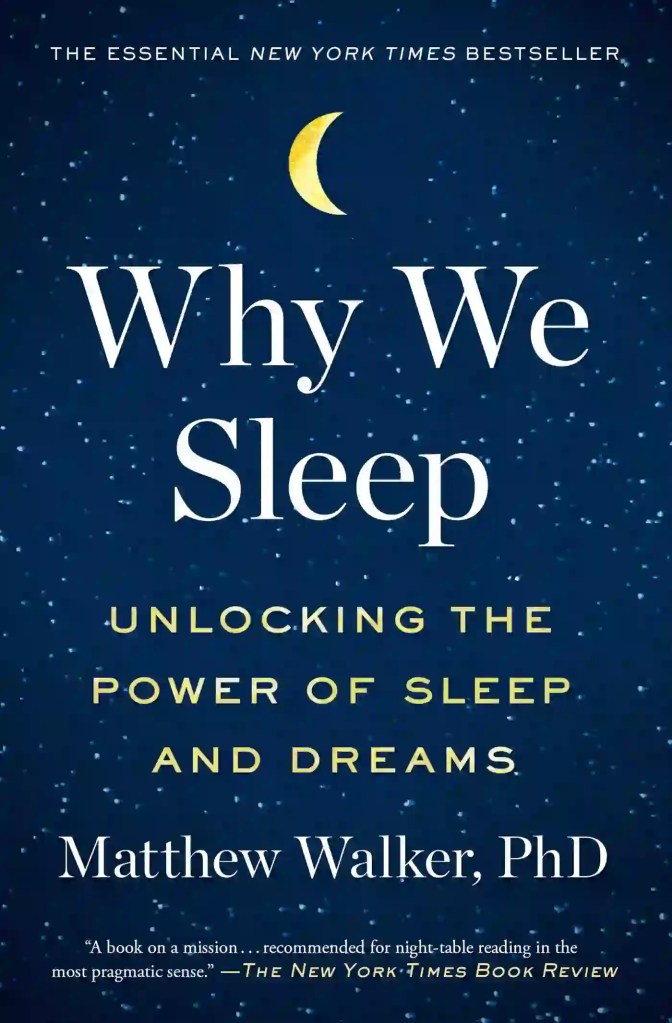
Why We Sleep, Surely the greatest book about sleep!
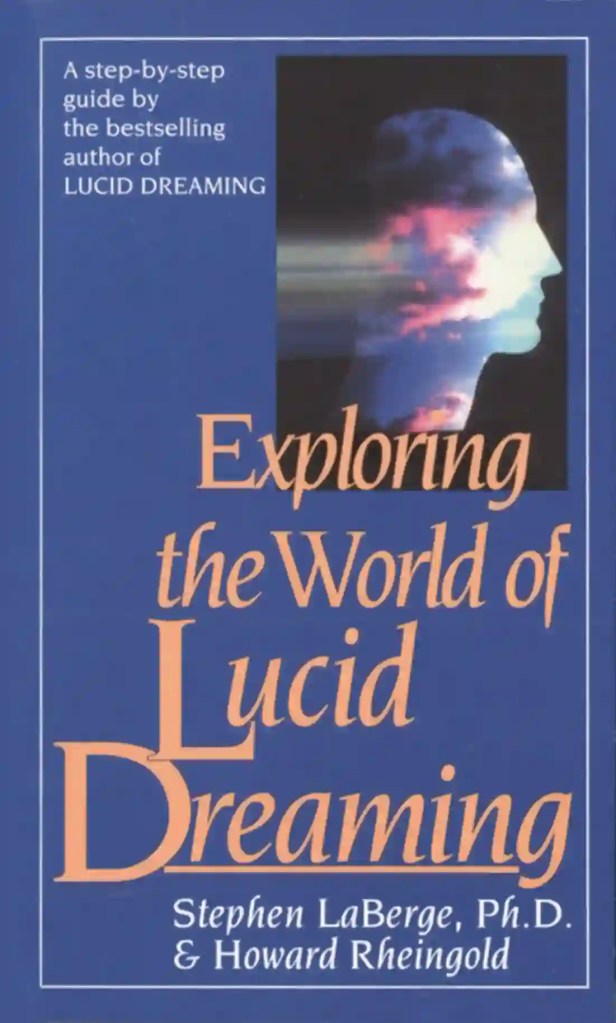
Exploring the World of Lucid Dreaming, Bible of Lucid Dreaming!
Lucid Dreaming: Gateway to the Inner Self, To become the Lucid Master!
Tip: You can currently get all of these books via this Audible deal (3 months for $0.99/month). It’s almost free too!
✨ The Best Silk Pillowcases and sheets!
Promeed Official Store: Promeed offers premium 6A+ Mulberry silk bedding designed to regulate temperature and reduce friction, ensuring your REM sleep remains as deep and uninterrupted as possible.
 Likely Dreaming | Exploring Dreams & Sleep
Leave a comment