
Why does a dream of just a few minutes after hitting snooze feel like half an hour?
In the movie Inception, the van falls off the bridge in slow motion, and the characters have an hour in the dream layer to finish the job before they hit the water. It is an extremely interesting narrative: the idea that dreaming mind accelerates, stretching seconds into minutes and minutes into hours.
But is it true? Does the time slow down, or is it just Hollywood physics?
The answer isn’t that time slowed down. The answer lies in memory density.
Let’s look at the data.
The Science: Does Time Slow Down in REM?
To understand if time dilation is real, we have to look at the research of Dr. Stephen LaBerge at Stanford University. He didn’t rely on subjective dream reports; he used biological markers.
In a lucid dream, the body is paralyzed (sleep atonia), but the eyes still move physically. This link allows a dreamer to send signals from the dream world to the waking world.
The Evidence: Counting in Dreams
In landmark research on time perception (validated by Erlacher et al., 2014), subjects were asked to count to ten while dreaming. To verify the timing, the dreamers moved their eyes in a pre-arranged signal (Left-Right) to mark the start and end of the count on a polygraph.
The Result: The time intervals were nearly identical. Counting to ten in the dream took about the same time as in waking life. This debunked the idea that the brain processes information significantly faster during REM sleep. The conclusion is clear: The brain processes time in a 1:1 ratio. There is no physiological “overclocking” of the brain during REM sleep.
The conclusion is clear: The brain processes time in a 1:1 ratio. There is no physiological “overclocking” of the brain during REM sleep.
The Exception: Why Running feels Slow
While cognitive tasks (like counting) happen in a 1:1 ratio, complex motor skills are different. A later study by Daniel Erlacher (University of Bern, 2004) found that performing squats or gymnastics in a lucid dream took 40% longer than in reality.
Analysis: Since the physical body is paralyzed (sleep atonia), the brain has to simulate the motor feedback loop without actual sensory data. This computational load slows down the dream avatar, creating the common sensation of “running through molasses.”
The Illusion of Duration: Why It Feels Longer
If the science says the ratio is 1:1, why does a 20-minute nap sometimes feel like you lived an entire afternoon in another world?
The answer isn’t physics; it’s memory density.
The Movie Editor Effect
In waking life, your perception of time is anchored by mundane transitions. You walk from the bedroom to the kitchen. You wait for the bus. You sit in traffic. These moments of “dead air” allow the brain to calibrate duration.
In a dream, the brain acts like a film editor. It cuts out the travel time.
- Scene 1: You are flying over a city.
- Cut to: You are instantly inside a building talking to a Dream Character.
- Cut to: You are running through a forest.
Because there is no lag between these events, the density of experiences is incredibly high. When you wake up, your brain reviews the memory file. It sees five distinct, complex events and calculates: “To do all this in reality would take two hours.”
It assigns a duration based on the amount of content, not the actual clock time passed.
False Awakenings and Loops
The illusion is strongest during False Awakenings. This is when you dream that you have woken up, start your morning routine, and then realize you are still asleep.
If this happens three times in a row, your brain records three separate mornings. Even if the entire loop only took 5 minutes of REM time, the narrative logic suggests hours have passed.
Practical Application: Quality Over Quantity
Understanding that time doesn’t physically slow down is actually freeing. You don’t need to try to warp time. You just need to stabilize the environment to use the real time you have.
Most lucid dreams feel short because they collapse due to excitement. A beginner might get lucid and wake up in 30 seconds because their heart rate spikes.
To make the dream feel longer, focus on stabilization:
- Engage your senses: Rub your hands together or touch the ground. This sensory input prevents the dream from fading.
- Don’t rush: Since you know you have real-time minutes, slow down. Look at the details of an object.
By stabilizing the dream, you can utilize the full 20–40 minutes of a REM cycle. And because of the memory density effect, that 20 minutes will provide enough content to feel like an hour when you write it down in your journal.
Conclusion: The Useful Illusion
We cannot slow down time in a literal, physical sense. A 20-minute REM cycle will always be 20 minutes long. However, understanding the mechanics of memory density allows us to hack the experience.
By stabilizing the dream and engaging with details, we force the brain to record more data. When we wake up, that data is decompressed into a memory that feels significantly longer than the clock suggests.
Next time you become lucid: Don’t try to rush. Stop, look at your hands, and stabilize. You have exactly as much time as you do in reality—use it to build a memory that lasts.



How to Learn Lucid Dreaming? – best resources
🎧 What to read next?
If you want to master lucid dreaming, I recommend starting with the these books. (Transparency: This section contains affiliate links to tools I personally use and trust.)
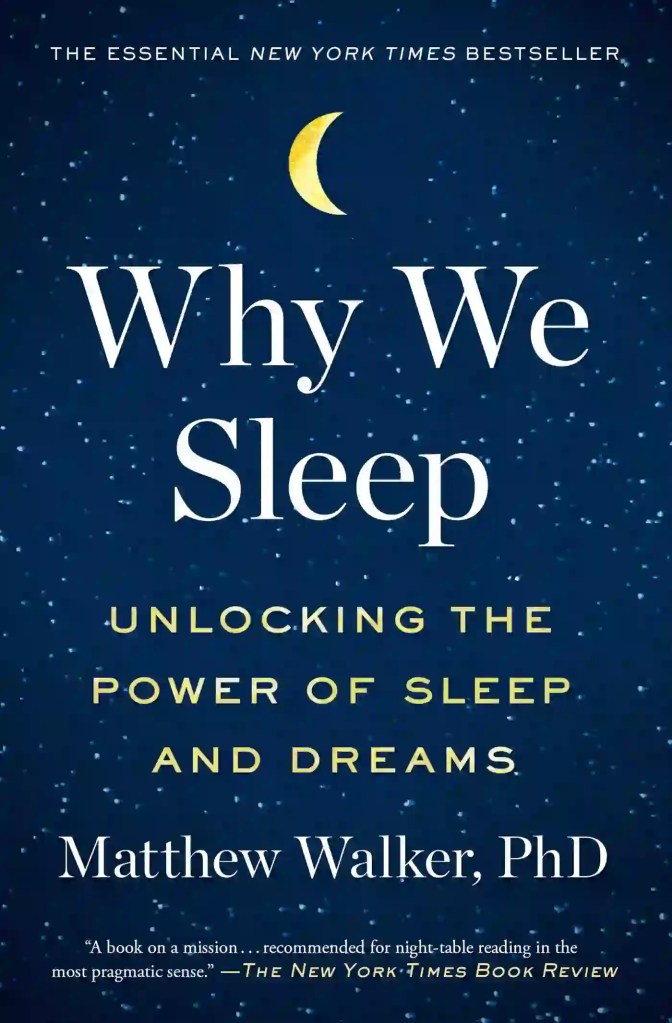
Why We Sleep, Surely the greatest book about sleep!
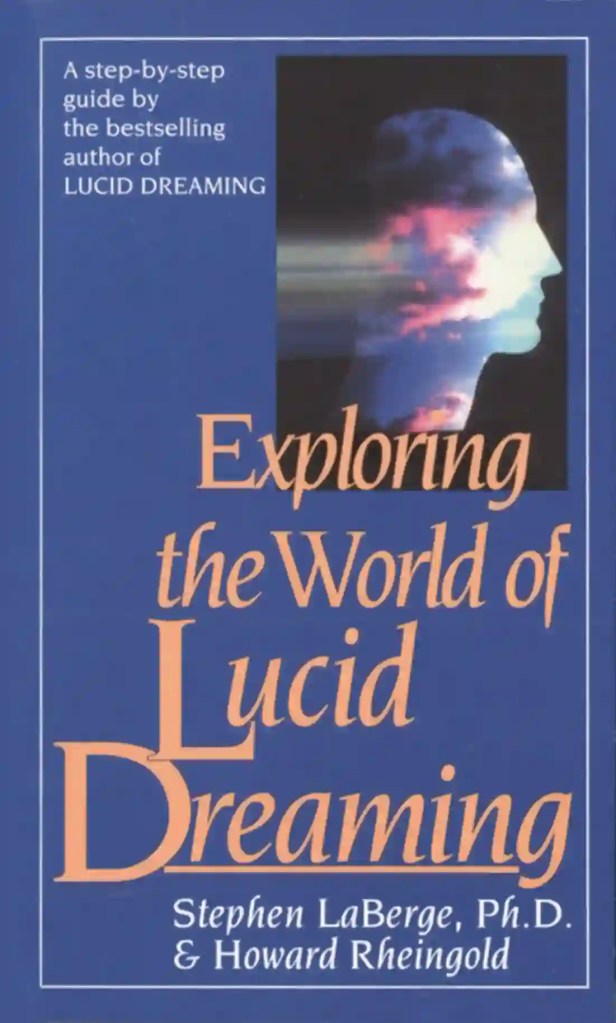
Exploring the World of Lucid Dreaming, Bible of Lucid Dreaming!
Lucid Dreaming: Gateway to the Inner Self, To become the Lucid Master!
Tip: You can currently get all of these books via this Audible deal (3 months for $0.99/month). It’s almost free too!
✨ The Best Silk Pillowcases and sheets!
Promeed Official Store: Promeed offers premium 6A+ Mulberry silk bedding designed to regulate temperature and reduce friction, ensuring your REM sleep remains as deep and uninterrupted as possible.
 Likely Dreaming | Exploring Dreams & Sleep
Leave a comment