
Albert Einstein is often cited as a famous lucid dreamer. The legend goes that the theory of relativity came to him in a dream. But was he actually exploring the REM state like a modern lucid dreamer?
Technically, no.
Einstein wasn’t a lucid dreamer in the traditional sense. He was a master of Hypnagogia—the transitional state between wakefulness and sleep. Instead of stabilizing a long dream, he used a specific micro-sleep protocol to access the brain’s creative theta waves without fully losing consciousness.
This method has often been referred to as the Steel Ball Method, and it was also used by another famous intellectual, Thomas Edison. It allowed him to solve complex physics problems by letting his mind wander, but catching it before it drifted into deep sleep.
Here is how the technique works and why understanding this state (Hypnagogia) is the secret to the WILD technique.
The Steel Ball Technique (How to do it?)
Einstein wasn’t just taking random naps. He engineered a specific physical trigger to catch his mind in the act of dreaming.
He would sit in his armchair, relaxed but upright, holding a heavy steel ball (or sometimes a spoon) in his hand. Directly beneath his hand, he placed a metal plate on the floor.
The mechanism was simple biology:
As you drift into sleep, your body enters a state of atonia—your muscles lose tension. The moment Einstein crossed the line from wakefulness to Stage 1 sleep, his grip would fail.
The ball would drop. Clang.
The sudden noise would wake him instantly. He wasn’t trying to get rest; he was trying to capture the abstract, visual concepts of the dream state before his logical brain could filter them out.
Why This Technique works?
Einstein wasn’t just napping. He was hacking a specific brain state: Hypnagogia (technically N1 Sleep).
Normally, your brain operates on Beta or Alpha waves—you are alert, logical, and rigid. But as you drift off, you shift into Theta waves.
Here is the magic: In this state, the prefrontal cortex—the part of your brain responsible for logic, math, and “making sense”—begins to shut down. Meanwhile, the visual and associative centers light up.
Thoughts stop being linear words and start becoming abstract images.
For a physicist stuck on a math problem, this was the only way to bypass rigid rules. He could visualize impossible concepts like relativity because the logic filter was temporarily turned off. He needed the hallucination, not the sleep.
Einstein vs. Modern Lucid Dreaming (The WILD Connection)
Technically, Einstein wasn’t trying to stay in the dream. He was using the steel ball to wake himself up the moment the dream started.
But for a lucid dreamer, this exact moment—the drop—is the most critical skill you can learn.
We call this the WILD technique (Wake Induced Lucid Dream).
The hardest part of WILD is identifying the exact second your body falls asleep. If you miss it, you black out into normal sleep. If you focus too hard, you stay awake.
Einstein mastered the physical sensation of falling asleep. He knew exactly what the transition felt like.
How to Use This: You don’t need a steel ball (unless you want to wake up). instead, use a mental anchor.
- Lie down and relax your body until you feel that same heavy, sinking sensation Einstein felt.
- Watch the hypnagogic imagery (the colors and shapes) float by.
- Don’t engage with them immediately. Wait for the “click”—the moment the visuals become a solid environment.
- Step into the scene.
Summary: Was Einstein a lucid dreamer? Not in the traditional sense of controlling a dream narrative. But he was a master of the borderland. He proved that the transition phase isn’t just noise—it’s a tool. There are also many other famous people who used dreaming to succeed.



How to Learn Lucid Dreaming? – best resources
🎧 What to read next?
If you want to master lucid dreaming, I recommend starting with the these books. (Transparency: This section contains affiliate links to tools I personally use and trust.)
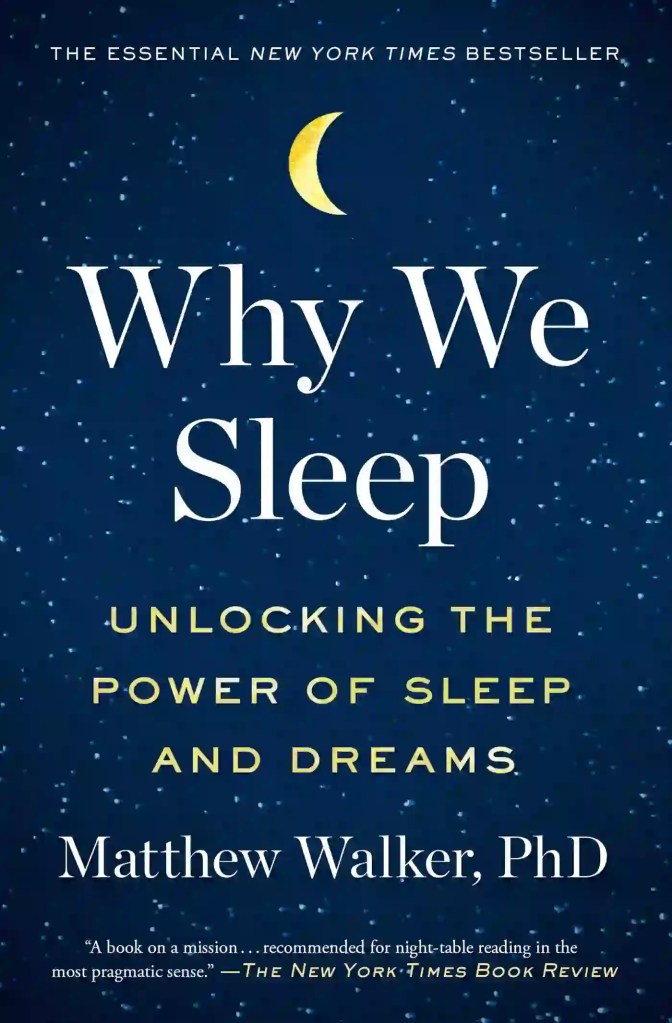
Why We Sleep, Surely the greatest book about sleep!
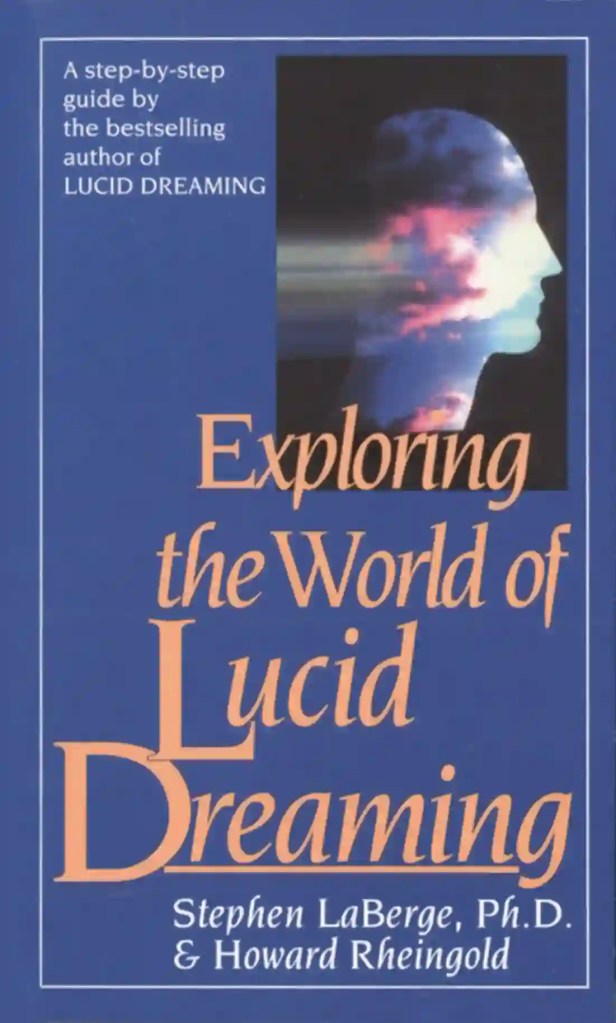
Exploring the World of Lucid Dreaming, Bible of Lucid Dreaming!
Lucid Dreaming: Gateway to the Inner Self, To become the Lucid Master!
Tip: You can currently get all of these books via this Audible deal (3 months for $0.99/month). It’s almost free too!
✨ The Best Silk Pillowcases and sheets!
- Promeed Official Store: Promeed offers premium 6A+ Mulberry silk bedding designed to regulate temperature and reduce friction, ensuring your REM sleep remains as deep and uninterrupted as possible.
 Likely Dreaming | Exploring Dreams & Sleep
Leave a comment