
Bad sleep quality makes you unable to lucid dream!
Lucid dreaming is not just a mental exercise, but also a biological one. If your sleep quality is poor, your brain lacks the neurochemical stability required to maintain conscious awareness during REM sleep. Most beginners fail because they focus only on techniques like MILD or WILD, while completely neglecting the physiological foundation.
Optimizing your sleep hygiene is the single most effective way to increase your lucid dreaming frequency. This guide breaks down the science of sleep and provides a direct blueprint for creating an environment where lucidity can occur.
The Science of REM Sleep and Lucidity
To understand lucid dreaming, you must understand sleep architecture. A typical night consists of 90-minute cycles moving through light sleep, deep sleep, and REM (Rapid Eye Movement).
Sleep Architecture: Why the 4th to 6th Cycles Matter Most
REM sleep periods are not distributed equally throughout the night. Your first REM period may only last a few minutes, while the ones in the final hours of sleep can last up to 45 minutes or longer.
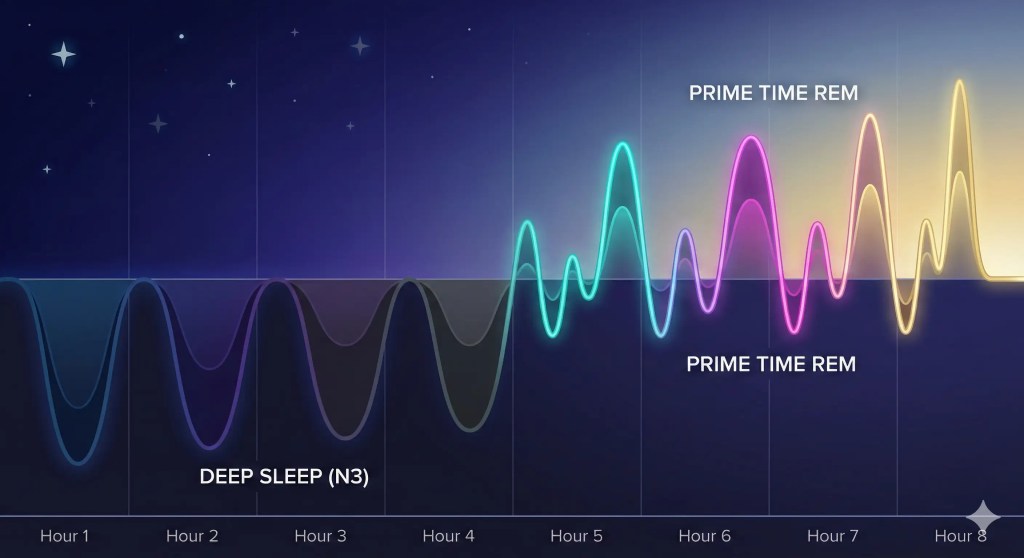
- The Early Night: Dominated by Deep Sleep (N3), focused on physical repair.
- The Late Night: Dominated by REM Sleep, focused on cognitive processing and dreaming.
If you sleep only six hours, you are not just losing two hours of sleep; you are losing your longest and most stable REM cycles—the prime time for lucid dreaming.
The Role of the Prefrontal Cortex in Conscious Dreaming
During normal dreaming, the dorsolateral prefrontal cortex (the part of the brain responsible for logic and self-awareness) is largely deactivated. This is why you accept absurd dream logic without question.
Neuroimaging studies confirm that lucidity occurs when this specific region reactivates while the rest of the body remains in REM atonia. This creates a distinct hybrid state of consciousness where critical thinking returns. High-quality, undisturbed sleep ensures that the brain has sufficient energy and neurochemical stability to allow this state to stabilize.
Circadian Rhythm: Timing Your Success
Your internal clock, or circadian rhythm, dictates the timing of your sleep cycles. If this rhythm is fragmented, your REM sleep becomes unpredictable and shallow, making it nearly impossible to time your lucid dreaming techniques.
Consistency and REM Stabilization
To master lucid dreaming, you must stabilize when your REM cycles occur.
- The Rule: Go to bed and wake up at the same time every single day.
- The Benefit: When your brain knows exactly when sleep begins, it can optimize the transition between sleep stages. This stability allows you to predict when you will be in your longest REM periods, which is essential for techniques like the Wake Back to Bed (WBTB).
Light Exposure: Cortisol vs. Melatonin
Light is the primary signal for your circadian rhythm.
- Morning: Seek direct sunlight within 30 minutes of waking. This triggers cortisol release and sets a timer for melatonin production 14–16 hours later. This trick has been the most helpful thing for fixing my sleep schedule. But whether you are trying to correct it or not, getting sunlight as fast as possible after waking up is always a smart move.
- Evening: Dim all lights two hours before sleep. Melatonin is the “gatekeeper” of sleep; if its production is suppressed by artificial light, your sleep onset will be delayed, cutting into your critical morning REM time.
The Physical Environment (The Cave)
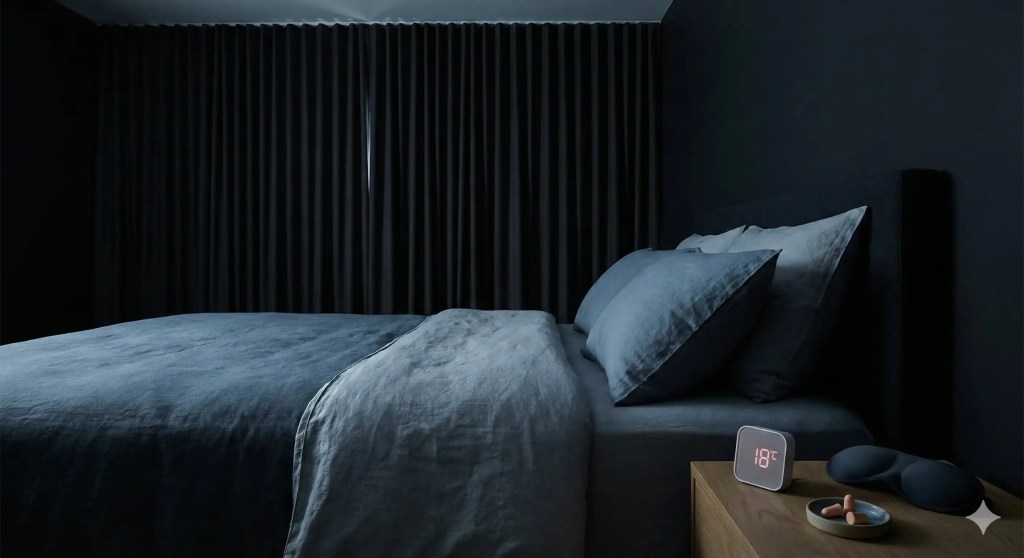
Your bedroom must be an isolation chamber. Any sensory input from the physical world can either wake you up prematurely or become a false dream sign that confuses your awareness.
Temperature: The 18°C or 65°F Rule
The human body needs to drop its core temperature by about 1°C (1.8°F) to initiate and maintain deep, stable sleep.
- The Target: Keep your room around 18°C (65°F). That is, scientifically, around the perfect temperature for sleep, give or take a few degrees depending on the individual.
- Lucidity Impact: A room that is too warm leads to restlessness and “micro-awakenings.” These interruptions fragment your REM cycles, causing you to lose the thread of the dream just as you are becoming lucid.
Sensory Deprivation: Total Darkness and White Noise
To stay in a lucid state, you need to minimize external distractions.
- Darkness: Use blackout curtains or a high-quality eye mask. Even a tiny LED light from a phone charger can be detected through your eyelids, lowering the quality of your REM sleep.
- Sound: Use white noise or earplugs if your environment is noisy. While some dreamers use external sounds as “anchors,” most beginners find that unexpected noises simply terminate the dream.
Chemical Influences and Supplementation
What you ingest during the day and evening directly dictates the neurochemistry of your dreams. To achieve lucidity, you need a brain that is chemically balanced, not suppressed by sedatives or overstimulated by toxins.
The REM Rebound Effect: Alcohol and Nicotine
Many people use alcohol to fall asleep faster, but it is a “lucid dream killer.”
- Alcohol: It suppresses REM sleep during the first half of the night. While this leads to a “REM rebound” (intense dreaming) in the morning, these dreams are usually chaotic, fragmented, and difficult to control.
- Nicotine: As a stimulant, nicotine fragments sleep architecture and increases micro-awakenings, making it harder to reach the deep REM stability required for lucidity.
B6, Magnesium, and Specialized REM Supplements
If your basic sleep hygiene is solid, certain nutrients can act as “boosters” for dream vividness and recall.
- Magnesium: Known as the “relaxation mineral,” it lowers cortisol and helps the nervous system transition into sleep mode.
- Vitamin B6: There is a direct link between B6 levels and dream vividness, as demonstrated by research from the University of Adelaide. It assists in the conversion of amino acids into neurotransmitters that govern dreaming.
- Specialized Supplements: For those looking for a cleaner alternative to melatonin, specialized REM-support supplements (like Dryft) can provide the necessary precursors for deep sleep without the morning grogginess or the dream-suppressing side effects of heavy sedatives.
Mental Hygiene: The Digital Sunset
The 60 minutes before you hit the pillow determine the mental noise level of your dreams.
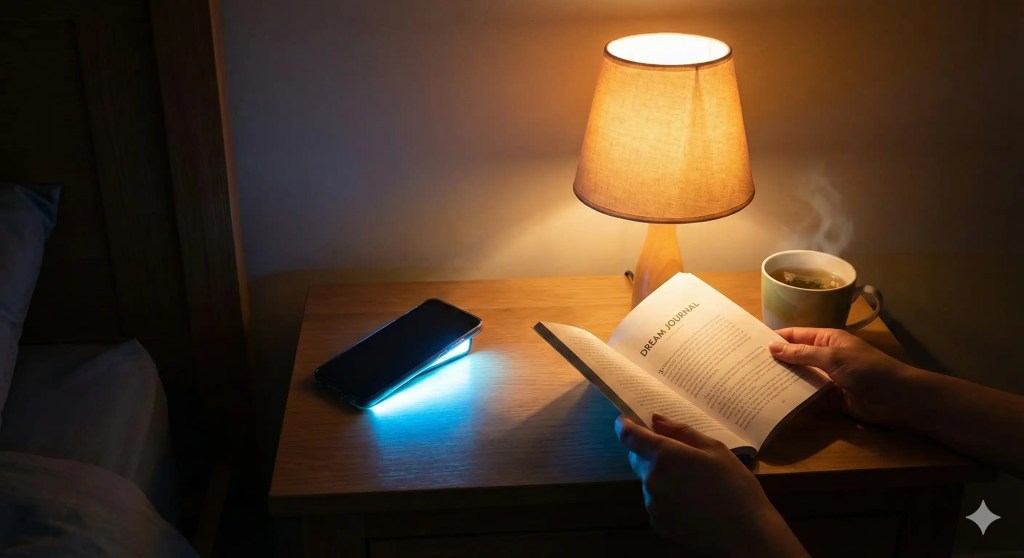
- The Blue Light Trap: Blue light from smartphones mimics daylight, telling your brain to stop producing melatonin. This keeps your mind in an analytical, waking state.
- The Digital Sunset: Implement a “Digital Sunset” at least 30 minutes before bed. Replace the screen with a physical book or a meditation practice.
- Lucid Impact: This practice lowers your “mental RPM.” A calm mind enters the dream state with more clarity, making it easier to recognize the transition from waking to dreaming.
Troubleshooting: Why You Still Aren’t Lucid
If you have optimized your environment and habits but still struggle with lucidity, the issue is likely how your brain handles the transition into the dream state.
- Low Clarity: If your sleep quality is good but your dreams feel “foggy,” you may need to work on your dream vision. Learn more in my guide: [Why Are My Lucid Dreams Blurry? 5 Ways to Sharpen Your Dream Vision].
- Premature Waking: If you become lucid but wake up immediately, your brain may be over-aroused by the realization. Stability is key. Check out [How to Stay Lucid for Longer: 5 Stabilization Secrets].
- Fragmented Memory: If you feel like you are dreaming but can’t remember the details, your dream recall needs training. This starts with a consistent journal. See [Using a Dream Journal to Spot Hidden Life Patterns and Dream Signs].
FAQ: Common Questions About Sleep and Lucidity
How many hours of sleep do I need for lucid dreaming? Most lucid dreams occur during the later REM cycles of the night. To maximize your chances, you should aim for 7–9 hours of sleep. Cutting your sleep short by even two hours can eliminate up to 50% of your total REM time.
Does caffeine affect my ability to lucid dream? Yes. Caffeine blocks adenosine receptors, which helps you feel alert but also fragments your sleep. If you consume caffeine late in the day, it can delay your REM onset and make your dreams less stable. Try to stop caffeine intake at least 8–10 hours before bed.
Can I lucid dream if I work night shifts? Yes, but it is more challenging. Your body’s natural circadian rhythm is tied to sunlight. To lucid dream as a shift worker, you must use blackout curtains to simulate total darkness and maintain a very strict sleep schedule even on your days off.
Why do I feel tired after a night of many lucid dreams? Lucid dreaming itself isn’t tiring, but if you are constantly waking up to write in your dream journal or using the “Wake Back to Bed” (WBTB) technique, you may experience sleep deprivation. Balance is key.
Is it possible to be “too tired” to lucid dream? Yes. Extreme exhaustion often leads to “REM rebound” where you crash directly into deep sleep (N3) to recover physically. Your brain will prioritize survival over consciousness, making lucidity very unlikely.
Master Your Sleep and Dreaming – best resources
🎧 What to read next?
If you want to master sleep and dreaming, I recommend starting with the these books. (Transparency: This section contains affiliate links to tools I personally use and trust.)
- Why We Sleep, Surely the greatest book about sleep!
- Exploring the World of Lucid Dreaming, Bible of Lucid Dreaming!
- Lucid Dreaming: Gateway to the Inner Self, To become the Lucid Master!
Tip: You can currently get all of these books via this Audible deal (3 months for $0.99/month). It’s almost free too!
✨ The Best Silk Pillowcases and sheets!
- Promeed Official Store: To minimize sensory disturbances during the night, your physical environment must be optimized. Promeed offers premium 6A+ Mulberry silk bedding designed to regulate temperature and reduce friction, ensuring your REM sleep remains as deep and uninterrupted as possible.
 Likely Dreaming | Exploring Dreams & Sleep
Leave a comment