Did Albert Einstein use lucid dreaming to solve complex physics problems?
Lucid dreaming has inspired some of the most brilliant and creative minds in history. From film directors to scientists and artists, many famous people have used dreams, and even lucid dreams, to get inspiration for their work. Some utilized the drift into sleep, while others harnessed the full power of REM Sleep to construct entire worlds. Here are five examples you might not expect.
1. Christopher Nolan – Film Director
Christopher Nolan is one of the most successful film directors of all time, known for movies like Inception, Interstellar, and the Batman trilogy.
The director has said that he drew inspiration for Inception (my all-time favourite film) from his own dreams and his thoughts about how dreams work. The entire concept of Inception—including ideas like shared dreaming and the spinning totem—comes from real lucid dreaming concepts, such as reality checks. The movie also pondered dream recall by showing the characters struggling to remember dreams after waking up.
This GOAT of film directing clearly knows what he’s talking about.

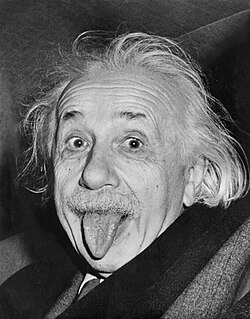
2. Albert Einstein – Physicist
Einstein didn’t exactly talk about lucid dreams, but he used a kind of half-sleep state called hypnagogia to think. He would do quick naps and get ideas when he was almost asleep. Some say his best ideas – like the start of relativity – came to him like that, though that might be more legend than fact.
It is said he even held a metal object in his hand so that when he started falling asleep and dropped it, the sound would wake him up—right at the edge of dreaming, where the ideas were. A recent study in Science Advances actually confirms this trick works. This method is sometimes called the Steel Ball Method. While the idea is most strongly connected to Thomas Edison, it is interesting that multiple famous intellectuals actually used this exact same method.
3. Richard Feynman – Physicist
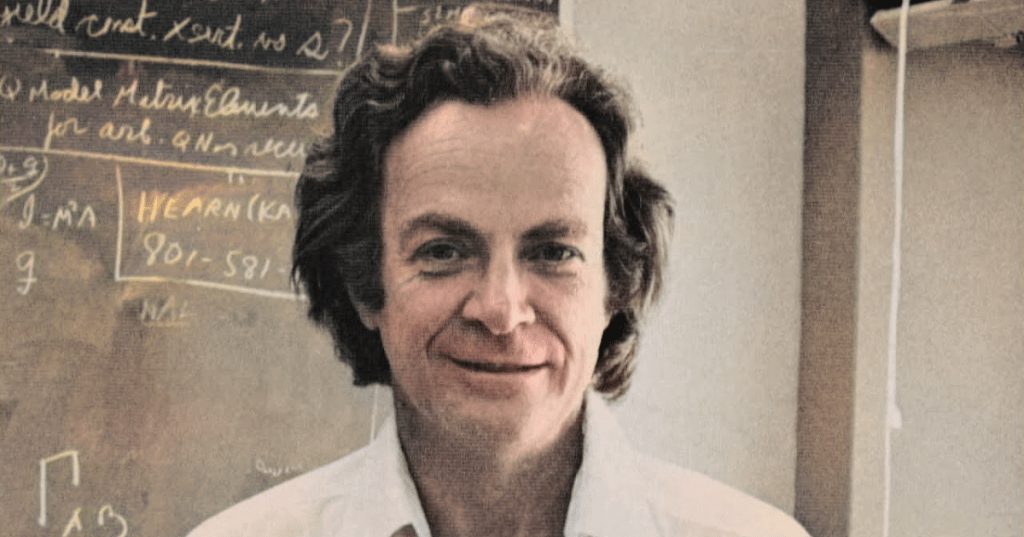
Influential physicist Richard Feynman, known for his achievements, curiosity and playful mindset, once experimented with lucid dreaming just for fun. In Surely You’re Joking, Mr. Feynman!, he writes about trying to stay conscious while falling asleep.
Eventually, he managed to do it—and once inside the dream, he tried flying and changing the environment, just to see what was possible. He wasn’t trying to hack his brain or achieve anything deep. He just wanted to explore, like he always did.
4. Salvador Dalí – Artist
Dalí used a weird trick to enter a dreamlike state: he held a key in his hand while sitting in a chair, and when he fell asleep, the key dropped and woke him up. He did this to catch crazy dream images right before they faded. That’s where a lot of his surreal art came from. It’s interesting to see how similar the technique is with Einstein. Who copied who?

5. Carl Jung – Psychologist
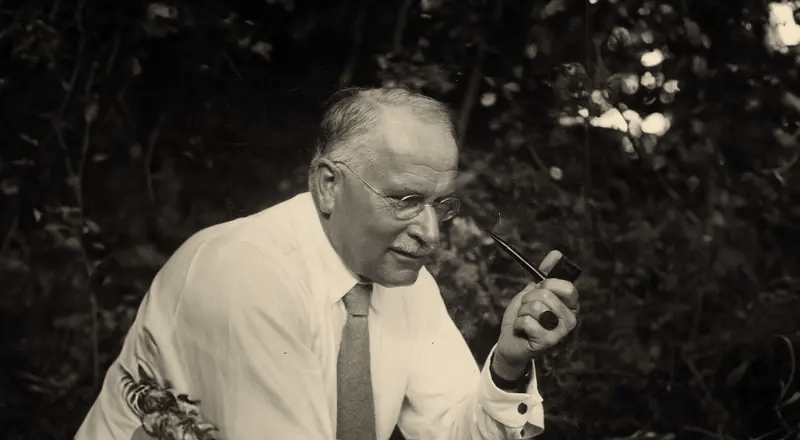
Jung thought dreams were super important for understanding your mind. He didn’t use the term lucid dreaming, but he had a method called “active imagination” where you talk to people in your dreams and take part in them consciously. Sounds a lot like lucid dreaming to me. His work laid the groundwork for many modern approaches to dream exploration.
🧪 Try the Steel Ball Dreaming Method Tonight
This is how you can try Einstein’s and Dalí’s method yourself. You don’t need a lab, just a spoon and a little bit of fatigue.
- Sit upright in a comfortable armchair (don’t lie down, or you’ll sleep too deeply).
- Hold a metal spoon in your hand and let it hang over the edge of the chair.
- Place a plate directly underneath the spoon on the floor.
- Close your eyes and allow yourself to drift off.
The Goal: When your muscles relax right at the moment you start drifting off and seeing hypnagogia, you will drop the spoon. The crash will wake you up instantly. Immediately write down whatever image or thought was in your mind at that exact second.
Are you convinced dreams are not useless?
Dreams have fascinated some of the greatest minds in history — from Einstein’s half-asleep naps to Feynman’s playful lucid dreaming experiments, Dalí’s surreal image-catching technique, and Jung’s deep psychological exploration. Did you know that you can lucid dream during a nap?
And if you haven’t watched Inception yet, you know what to do tonight.
Essential Resources for Mastering Lucid Dreaming
🎧 Further Reading
If you’re serious about mastering lucid dreaming, I recommend starting with the classics. Reading random articles isn’t enough—you need the deep knowledge found in these books: (Transparency: This section contains affiliate links to tools I personally use and trust.)
Tip: You can currently get these best-known books via this Audible deal (3 months for $0.99/month). It’s almost free too!
✨ The Best Silk Pillowcases and sheets!
- Promeed Official Store: Promeed offers premium 6A+ Mulberry silk bedding designed to regulate temperature and reduce friction, ensuring your REM sleep remains as deep and uninterrupted as possible.
Read Next:
- The Dark Side of Lucid Dreaming: Can It Be Dangerous?
- WBTB: The “Cheat Code” for Lucid Dreaming Success
- The Beginner’s Guide to MILD: Using Your Memory to Trigger Lucidity
Support the project by joining the newsletter! ⏱️ First 100 subscribers get priority access to upcoming dream tools. ⏳
 Likely Dreaming | Exploring Dreams & Sleep
Leave a comment